 Dallas Xforia Giants
 Manhattan Yorkers
1st innings (away)
Dallas Xforia Giants
Manhattan Yorkers
 San Ramon Grizzlies
 Baltimore Royals
 Sharjah
 Abu Dhabi
 Sri Lanka
 England
 Australia Women
 New Zealand Women
 Bangalore Dream United FC
 FC United Stars
 Palmeiras - SP
 Fluminense - RJ
 Slovenia U17
 Czechia Republic U17
 Moldova U17
 Belarus U17
 Hungary U17
 Malta U17

Pakistan cricket is going through a tough period. As the Test series against England enters its final stage, the Green Shirts have already been ruled out of the series due to their poor performance. In response, the Pakistan Cricket Board (PCB) has made several major changes aggressively in a very short time.
Several main players, including Mohammad Rizwan, Imam-ul-Haq, and Salman Ali Agha, have been sent home immediately. In contrast, seven new players, including Saim Ayub, Abdullah Fazal and Arafat Minhas, have been called into the squad. At the same time, Pakistan white-ball coach Mike Hesson has been given responsibility for the red-ball team as well.
These are not normal changes at all. They show how serious the problems have developed within Pakistan’s Test cricket setup.
Sarfaraz Ahmed, who was the Test head coach during the England series, was sent home, and his future with the PCB is now uncertain. There is a strong possibility that he could lose his position after Pakistan’s ongoing England tour, and major changes to the squad and going back to the players show that the PCB is urgently seeking solutions after a long period of poor performance.
Love sports updates on the go? Click here to follow us on WhatsApp Channel
However, one major question remains: can a new coach and changes to the squad really solve Pakistan’s red ball cricket problems and enhance their performance? Or are these changes only temporary solutions to deeper problems within the system?
To understand the major changes behind Pakistan’s recent interventions, one must confront the brutal statistical reality of recent Test cricket performance. The numbers are not only disappointing; they are genuinely alarming and represent a historic low performance for Green Shirts.
Pakistan’s cricket problems became even more serious during the 2024 Test series against Bangladesh. Jason Gillespie had recently been appointed as Pakistan’s red-ball head coach when Bangladesh toured Pakistan.
Pakistan had faced a historic 2-0 series defeat at home against Bangladesh.
Bangladesh won the first Test by 10 wickets and the second by six wickets, recording their first-ever Test series victory over Pakistan.
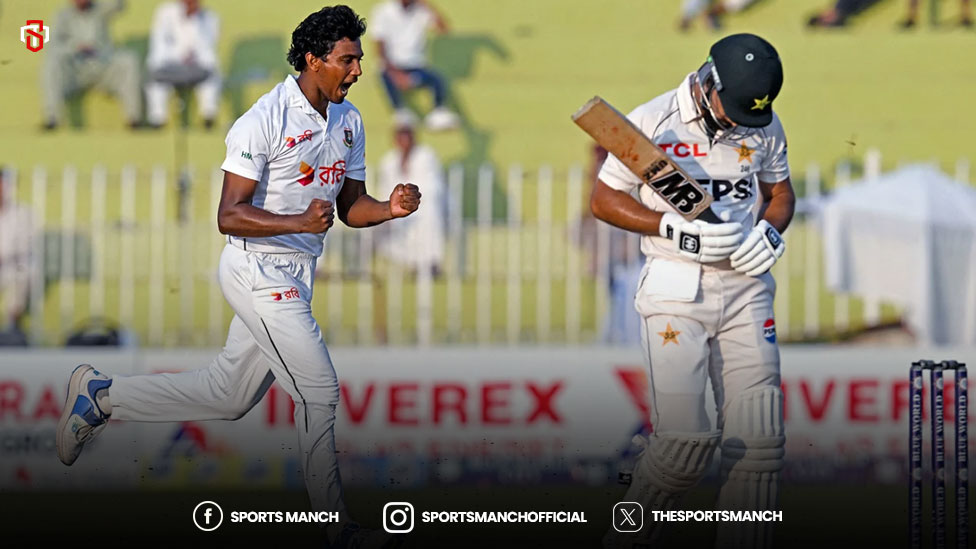
The defeat was more than just a bad series. Pakistan had home advantage and a long history of success in Test cricket against Bangladesh, yet they were unable to beat the Tigers. The defeat was not only a one-off poor performance; it was another sign that a deeper problem existed within Pakistan’s Test cricket system.
Pakistan subsequently toured the West Indies for a two-match Test series, which concluded in a 1-1 draw.
Drawing the series against a 9th-ranked team in the format was a failure for the Green Shirts. Even when the conditions were in Pakistan’s favour, the team could not convert opportunities into a win. This suggests that deeper problems in the system are stopping the team from performing at its best.
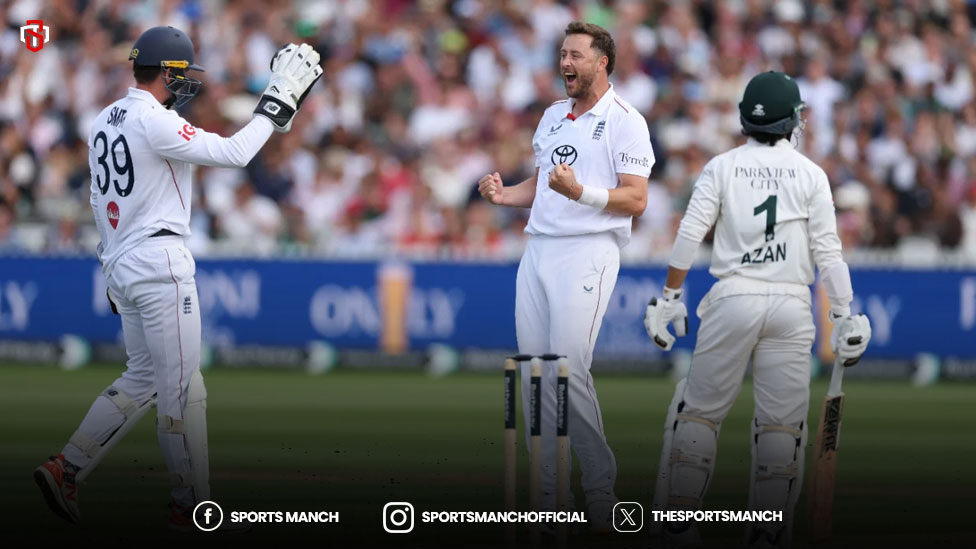
Pakistan suffered a heavy defeat of an innings and 103 runs in the first Test to England and a 194-run loss in the second Test at Lord’s. The loss has raised questions over the PCB’s red-ball coaching setup, which has led to major changes.
In the current three-match series against England, Pakistan is trailing 2-0.
A 194-run defeat is a heavy defeat. It’s not a match that slipped away. England outplayed Pakistan by playing their best cricket in every department.
• Bangladesh: 0-2 loss (at home)
• West Indies: 1-1 draw
• England: 0-2 loss
The above stats represent the worst performance of Pakistan cricket: one victory, two series defeats and one draw. This is not only a bad performance. This is systemic collapse.
Mohammad Rizwan’s recent Test form has become a major concern for the PCB. In his last four Test matches, he scored only 94 runs in eight innings. His scores included 7, 1, 12, 41, 18, 12, and 11. For an experienced wicketkeeper-batter expected to strengthen the middle order and play wisely, these figures have raised serious questions about his performance and mental approach towards international cricket.
Rizwan was criticised for playing aggressively and taking careless shots. Instead, to find the reason for the player’s poor form, PCB made a major change and sent him home immediately. This suggests that the response was reactive rather than proactive. Instead of fixing the problem early, Pakistan waited until his form became a bigger issue.
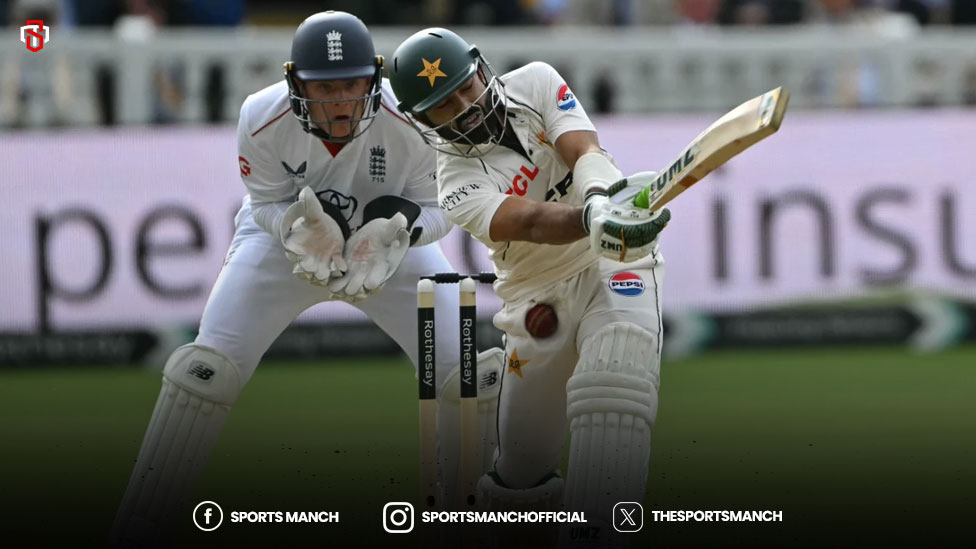
Rizwan’s struggles therefore raise questions not only about the player, but also about Pakistan’s coaching and poor management system. When an experienced player continues to fail without a clear solution, it shows that deeper problems may exist within the team’s support structure.
Former Pakistan captain Shoaib Malik criticised the PCB’s decision in a post on his X (formerly known as Twitter) account.
“The players dropped from the squad are still our national cricketers who have served Pakistan. Phrases like “sent on the first flight back” are disrespectful,” Malik wrote.
“Accountability should start with those who broke the system, not with players specially those who were on the bench or have played 2-3 test matches. Plus accountability starts once a tour is done not in the middle of it.
“Players should not be going through such mental stress and a social media after every bad game or the fear of failure will settle in the minds of our players.”
Pakistan’s opening batsman Imam-ul-Haq’s recent injury during the Test series against England has caused concerns within the Pakistan Cricket Board, with Geo News report confirming that the board will conduct a thorough investigation into the latest injury claim in light of his controversial 2025 New Zealand episode.
The controversy also raised questions about PCB’s player management. Imam reportedly suffered a calf injury during Pakistan’s second Test against England at Lord’s, forcing him to miss batting in both innings and raising questions over the credibility of his fitness.
The development has resurfaced questions over Imam’s earlier incident during Pakistan’s tour of New Zealand in March 2025.
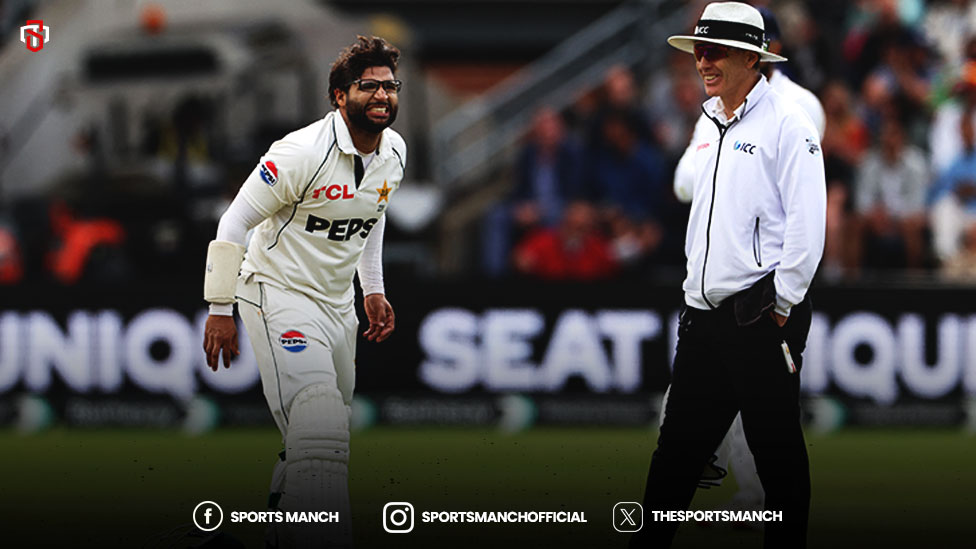
According to a Geo News report, the PCB’s 2025 inquiry committee said that Imam deliberately faked an injury during Pakistan’s tour of New Zealand in March.
The incident occurred on March 28, 2025, when a ball struck Imam’s right foot during an indoor net session.
The PCB’s plans for more changes in the national team point to a period of major changes within the team. Following an earlier change to the Test captaincy, the focus has now shifted to the coaching position itself.
White-ball head coach Mike Hesson, who travelled to London alongside Director Aaqib Javed for a dinner hosted by Prince Charles, has been tasked with overseeing matters concerning the Test team.
Hesson will join Pakistan’s squad for the third and final Test against England at Edgbaston in Birmingham, scheduled to begin on September 9.
This has led many to believe that Hesson could eventually be put in charge of all three formats. Putting so many responsibilities on one person would mark a major change in Pakistan’s cricket structure.
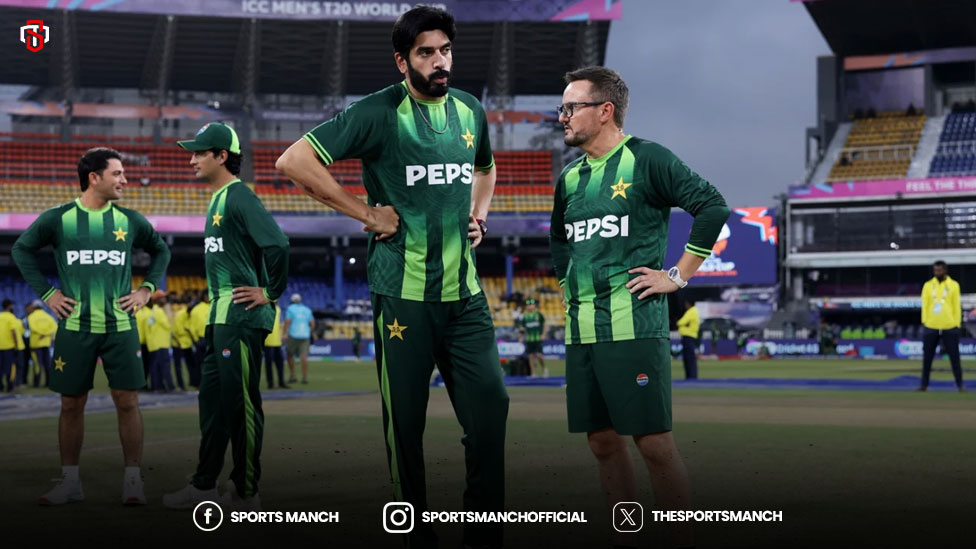
The combination of these underwhelming results, coupled with Hesson’s involvement with the Test setup, suggests that the PCB is preparing for major changes in the coaching staff.
The biggest concern is whether Hesson will be given enough time to make meaningful changes.
If the PCB continues to replace coaches after some bad results, Hesson could face the same problems as previous coaches. His appointment can be a starting point, but it could not be the solution.
The question is whether these changes will actually improve Pakistan’s cricket. Bringing in new players and Hesson may provide a short-term boost, but they cannot fix years of problems in just a few days. Real improvement will take time.
Former Pakistan head coach Mickey Arthur has also criticised the PCB’s constant changes in a post on his X account.
“Absolutely ridiculous decisions by the PCB-this is the reason they are in the mess they are because they constantly chop and change players,coaches and selectors and there in no stability!” Arthur wrote.
“Planning,stability and structure =Consistent performance!!”
Veteran cricket commentator Harsha Bhogle also questioned the PCB’s decision to make major changes in the middle of a Test series.
“Trust Pakistan cricket to do the unbelievable. Salman Agha, captain in the first test, dropped from the second, sent home before the third! Coach and bowling coach gone midway through a series. Senior keeper sent home. Replacements hoping to get visas in time, let alone be ready for a test match. As always, more action off the field!” Bhogle posted.
The PCB needs to show patience. Constantly changing coaches and players after every poor result will only repeat the same cycle.
Despite all these concerns, there is still hope that the PCB’s latest decisions will prove to be the right ones. The new players may bring fresh energy, while Hesson could provide the team with a different approach. However, only time will show whether these changes lead to real improvement.
Immediate changes alone are not a solution. Pakistan needs a clear long-term plan, better player development and consistency in its cricket structure. Constantly changing players and coaches after every poor result can create more uncertainty rather than solve the real problems. Hopefully, these latest decisions will be the beginning of genuine improvement rather than another short-term reaction to a crisis.
READ: Who is Qayyum Khan? Pakistan’s latest 150 kmph speed sensation?
Aleena is a sports writer at Sports Manch, with a keen interest in cricket and sports journalism. Her work focuses on creative storytelling, feature writing, and SEO content, with an emphasis on producing clear, engaging, and well-researched stories. She is passionate about exploring compelling sports narratives and continues to develop her skills as a versatile and impactful writer.